Shoulder Impingement Treatment in Austin — Get Back to Pain-Free Movement
Shoulder impingement, rotator cuff irritation, and overhead shoulder pain treated by Austin’s athlete-focused sports chiropractors. Same-week appointments. No referral required.
⭐ 5.0 · 180+ Google reviews · 18+ years treating Austin runners · No referral required
What Is Shoulder Impingement — and Why Does It Keep Coming Back?
Shoulder impingement occurs when the tendons and soft tissues of the shoulder become compressed during arm movement, causing pain, pinching, weakness, and limited mobility.
It commonly affects weightlifters, CrossFit athletes, swimmers, tennis players, pickleball players, and anyone performing repetitive overhead activities.
Many people notice pain reaching overhead, pressing weights, throwing, serving, or sleeping on the affected shoulder. If you’ve rested, stretched, or tried exercises without lasting relief, the problem is often coming from movement dysfunctions elsewhere in the kinetic chain.
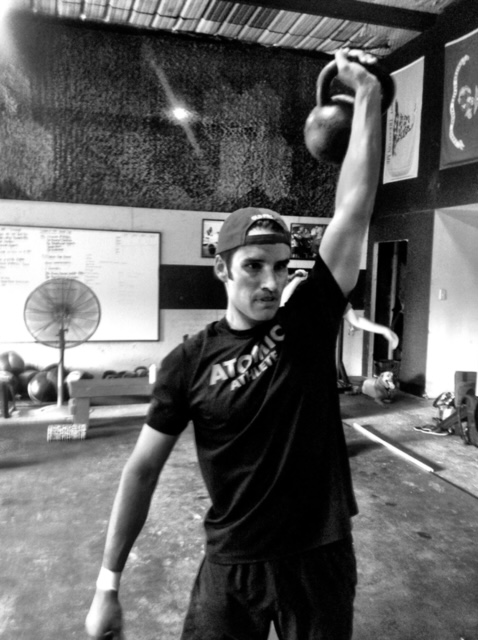
Does This Sound Familiar?
Shoulder impingement often starts as mild soreness before becoming a chronic problem that limits training, sports, and everyday activities.
- Pain lifting overhead
- Pain reaching behind your back
- Pain reaching overhead
- Pain sleeping on the shoulder
- Pain with pickleball, tennis, or lifting
- Symptoms that keep returning
What Austin Athletes Say
“Dr. Zach Rachal has been a champ at fixing what was a mystery pain to me. Shockwave therapy was incredibly effective, and I finally got answers and relief after struggling with the problem for far too long.”
— W. Stewart, Austin Athlete
What Actually Causes Shoulder Impingement?
Many people assume the shoulder itself is the problem.
In reality, shoulder impingement is often driven by poor shoulder blade control, rotator cuff weakness, thoracic spine stiffness, mobility restrictions, and faulty movement patterns.
When these issues aren’t addressed, excessive stress repeatedly loads the shoulder structures until pain develops. At Austin Sports Therapy, we evaluate the entire movement system to identify the true source of the problem.
How We Treat Shoulder Impingement at AST
We don’t just treat the symptom. We find what’s driving the problem and fix that.
Shockwave Therapy
Stimulates healing and improves recovery in chronic shoulder injuries.
Trigger-Point Dry Needling
Releases muscular tension affecting shoulder mechanics.
Active Release Technique
Improves soft tissue mobility throughout the shoulder and upper body.
Interactive Neuro Stim
Reduces pain and restores proper muscle activation.
Movement Analysis
Identifies faulty movement patterns contributing to shoulder overload.
Functional Rehabilitation
Builds strength and stability for long-term recovery.
Tired of Shoulder Pain Limiting Your Training?
Whether your pain comes from lifting, swimming, pickleball, tennis, or everyday activities, we identify the root cause and create a treatment plan that gets you moving comfortably again.e
Why Shoulder Impingement Comes Back — and Why It Won't Here
Most clinics treat the pain — not the cause.
- Shoulder mechanics corrected
- Rotator cuff strength improved
- Shoulder blade control addressed
- Mobility restrictions corrected
- Return-to-sport plan implemented
We treat the cause — not just the shoulder.
What to Expect at Your First Visit
Your first appointment is $155 and runs 30-40 minutes. There’s no referral required and we’ll get you in within the week.
Your doctor will assess your full movement pattern of your upper extremity — not just the shoulder — to identify what’s actually driving the problem. From there you’ll leave with a clear diagnosis, a treatment plan, and typically some immediate relief.
Most people with shoulder pain are back to modified training within 3-4 visits. Chronic cases take longer, but you’ll know exactly what’s going on and what the plan is from day one.
Shoulder impingement is often caused by poor shoulder mechanics, rotator cuff weakness, limited mobility, or repetitive overhead activity. Over time, these factors can create excessive stress on the tissues of the shoulder and lead to pain.Many cases of shoulder impingement improve with conservative treatment. Addressing mobility restrictions, muscle imbalances, and movement dysfunctions can often help patients return to activity without surgery.
Shockwave therapy can be highly effective for chronic shoulder pain and tendon injuries. It helps stimulate tissue healing, improve blood flow, and reduce pain when combined with appropriate rehabilitation.
Not necessarily. Most people can continue exercising with modifications while the shoulder heals. We help patients identify aggravating movements and develop a plan that keeps them active while reducing irritation.
Many cases of shoulder impingement improve with conservative treatment. Addressing mobility restrictions, muscle imbalances, and movement dysfunctions can often help patients return to activity without surgery.
Shoulder impingement occurs when tendons and soft tissues become compressed during movement. A rotator cuff tear involves actual damage to one of the rotator cuff tendons. While the symptoms can be similar, the treatment approach may differ.
No referral required. Book directly online or call (512) 407-8292 and we’ll get you in within the week.
Ready to Get Back to Pain-Free Activity?
Same-week appointments. No referral required. One-on-one with your doctor from the first visit.
Or call us at (512) 407-8292